Expert Assessment & Personalised Treatment for Scoliosis, Sciatica, Bone Spurs & Osteoporosis
Comprehensive Spine & Bone Care in Singapore
Consult our spine specialist, Dr Loo, for a thorough assessment and diagnosis if you suspect you may be suffering from any spine-related issue.
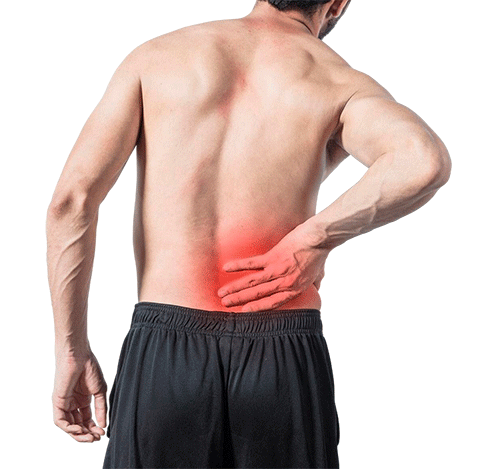
Comprehensive Assessment
We focus on identifying the root cause of symptoms rather than simply masking pain.
Modern Surgical & Non-Surgical Options
From rehabilitation and injections to minimally invasive surgery, we offer a wide spectrum of care options.
Wide Insurance Coverage
Our team can also assist with insurance-related enquiries, pre-authorisation guidance and admission arrangements where applicable.
More Than 15 Years of Clinical Experience
At SpineCare Clinic, we pride ourselves on providing the best care for our patients
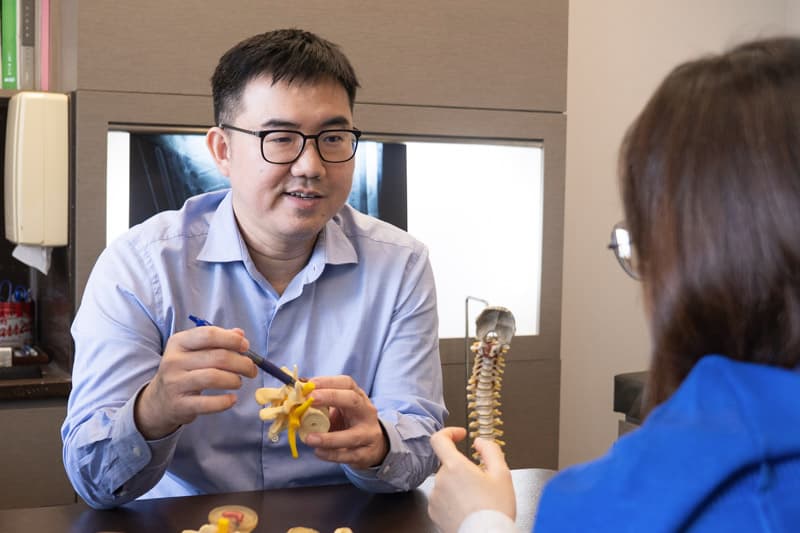
Expert Assessment & Personalised Treatment
Back pain, nerve discomfort, spinal curvature, and weakening bones can gradually affect the way you move, work, sleep, and live. At SpineCare Singapore, we provide personalised assessment and evidence-based treatment for spinal and orthopaedic conditions including Scoliosis, Sciatica, Bone Spur and Osteoporosis.
Our approach focuses on understanding the root cause of your symptoms before recommending a treatment plan tailored to your condition, lifestyle, and long-term mobility goals.
Possible treatment options include:
- Minimally-Invasive Surgery
- Pain-Intervention Procedures
- Medication and Physiotherapy
Our Spine Specialist
Meet Dr Loo Wee Lim
Dr. Loo Wee Lim is an Orthopaedic Surgeon with a subspecialty interest in Spine Surgery. He graduated from the National University of Singapore, Faculty of Medicine in 2002. During the course of his specialty training, he obtained his membership into the Royal College of Surgeons (Edinburgh) and his Masters of Medicine (Orthopaedic Surgery).
Dr. Loo specialises in all aspects of spinal surgery and performs decompression, instrumented fusion and disc replacement (non-fusion) surgery to treat traumatic and degenerative conditions affecting the spine.
Diagnosis and Treatment
Conditions We Commonly Treat
Back pain, nerve discomfort, posture change and fragile bones can gradually affect mobility and quality of life. At our clinic, we provide evidence-based assessment and treatment for a wide range of spinal and bone conditions – including scoliosis, sciatica, bone spurs and osteoporosis.
Our goal is not just to relieve symptoms, but to identify the underlying cause and recommend the most suitable treatment plan for long-term mobility and spinal health. Recognising these signs early can help with timely diagnosis and treatment.
Scoliosis
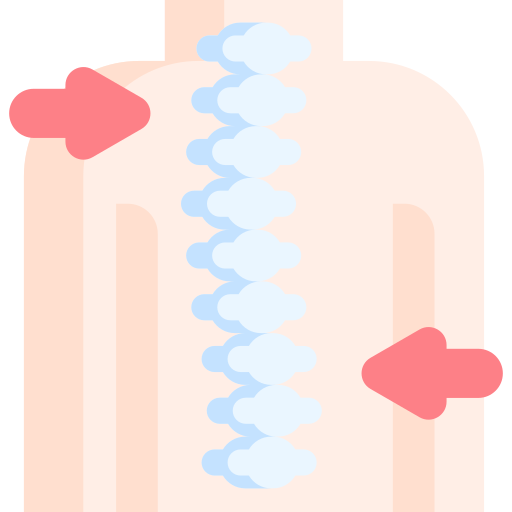
Early Detection & Modern Scoliosis Management
Scoliosis is a condition where the spine curves sideways, often developing during adolescence but also affecting adults due to degeneration and ageing.
Common signs include:
- Uneven shoulders or hips
- One shoulder blade appearing more prominent
- Back discomfort or fatigue
- Leaning posture
- Progressive spinal curvature
Our scoliosis evaluation may include clinical examination, posture assessment, and imaging studies to determine curve severity and treatment options.
Sciatica
Understanding Leg Pain Caused by Nerve Compression
Sciatica occurs when the sciatic nerve becomes irritated or compressed, often due to slipped discs, spinal degeneration, or narrowing of the spinal canal.
Symptoms commonly include:
- Sharp shooting pain down the leg
- Tingling or numbness
- Burning sensation
- Weakness in the leg or foot
- Pain worsening with sitting or walking
Many patients mistake sciatica for a simple muscle strain, delaying proper treatment.
Our approach focuses on identifying the source of nerve compression and tailoring treatment to symptom severity.
Bone Spur
Treating Joint & Spine Degeneration Before It Worsens
Bone Spur, also known as osteophytes, are bony growths that commonly develop due to ageing, arthritis, or chronic joint stress.
Bone spurs may affect the:
- Spine
- Knees
- Shoulders
- Hips
- Feet
Symptoms can include:
- Joint stiffness
- Localised pain
- Reduced movement
- Nerve irritation or numbness
- Difficulty walking or standing comfortably
Treatment depends on the location and severity of symptoms and may involve conservative care or surgical removal if nerves or joints are significantly affected.
Osteoporosis
Protecting Bone Strength & Reducing Fracture Risk
Osteoporosis weakens the bones, increasing the risk of fractures — especially in the spine, hips, and wrists.
Osteoporosis often develops silently until a fracture occurs.
Risk factors include:
- Ageing
- Menopause
- Family history
- Low calcium or vitamin D intake
- Sedentary lifestyle
- Long-term steroid use
Common warning signs include:
- Loss of height
- Fragile fractures
- Stooped posture
- Chronic back pain
Early diagnosis is important to reduce fracture risk and preserve mobility.
Multiple Benefits
Why Patients Choose Minimally-Invasive Surgery?
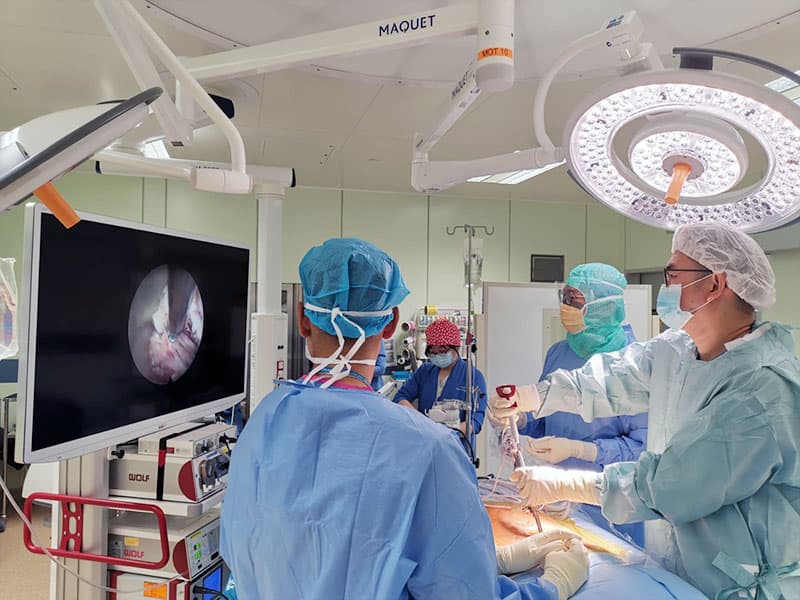
Minimally invasive surgery offers significant benefits, including reduced pain, quicker recovery and minimal scarring. Unlike traditional open surgery, this approach uses smaller incisions and advanced imaging to precisely target the affected area, minimising damage to surrounding tissues.
Patients typically experience less discomfort and shorter hospital stays, allowing them to return to their normal activities faster.
Reduces Pain and Speeds Up Recovery
Smaller incision means less scarring
Shorter Hospital Stay
Return to Normal Activities Sooner
Media Feature
Maintaining Good Spinal Health
Spinal health is crucial for good quality of life. Unfortunately, spinal injuries occur but they can often be avoided if proper care is taken. In this video, Dr Loo Wee Lim talks about the primary causes of spinal injuries and good overall spinal health.
Extensive Coverage
Our Insurance Partners
Our staff can assist with insurance claims and help guide you through the process, ensuring you understand any potential out-of-pocket expenses. Patients are encouraged to contact the clinic for a detailed list of accepted insurance plans.
Note: AIA, Singlife with Aviva & NTUC Income are part of the Extended Panel initiative.



Frequently-Asked Questions
Yes. While scoliosis commonly begins during adolescence, adult scoliosis can progress over time due to spinal degeneration and ageing.
No. Sciatica can also be caused by spinal stenosis, bone spurs, degenerative changes, or muscle-related nerve compression.
Many bone spurs are harmless but some can compress nerves or restrict movement, leading to pain and mobility issues.
While osteoporosis cannot always be fully reversed, early treatment can significantly improve bone strength and reduce fracture risk.
Get In Touch
When Should You Seek Medical Attention?
Persistent back pain, numbness, tingling, posture changes, or recurring fractures should not be ignored. Early assessment can often help prevent worsening symptoms and reduce the likelihood of long-term complications.
If you are experiencing symptoms related to scoliosis, sciatica, bone spurs or osteoporosis, please contact us to arrange a consultation and comprehensive spine evaluation. We will be glad to attend to any of your concerns regarding our services.
Contact Form
Book an Appointment Today
At SpineCare Singapore, we understand that no two patients experience spinal or orthopaedic conditions in exactly the same way. Some individuals may require only conservative treatment and rehabilitation, while others benefit from advanced minimally invasive procedures or surgery.
Our focus is always on providing clear explanations, personalised recommendations, and practical treatment plans that support long-term mobility and recovery.
We understand your anxieties and we are to help. If you have any questions or wish to consult Dr. Loo Wee Lim, do submit your enquiry using our form.

38 Irrawaddy Road, #06-59/60/61,
Singapore 329563
© 2026 The Spinecare Clinic. All Rights Reserved